What to Wear to a Job Interview: Industry-Specific Dress Code Guide 2025
Your interview outfit speaks before you say a word. In the first seven seconds of meeting you, interviewers form impressions that can determine your hiring fate—and research shows that outfit choice can influence hiring decisions by up to 55% according to psychology studies.
The traditional "always wear a suit" advice no longer applies in 2025's diverse workplace landscape. With 62% of employers saying a candidate's dress sense affects hiring decisions and workplace cultures ranging from Silicon Valley casual to Wall Street formal, strategic dress code navigation has become a crucial interview skill.
After researching current hiring trends and analyzing feedback from industry professionals, this comprehensive guide will help you decode the perfect interview outfit for any industry, avoiding costly fashion mistakes while projecting exactly the professional image you want.
The Psychology of Interview Attire
Your clothing choices trigger what psychologists call "enclothed cognition"—wearing professional attire actually changes how your brain functions, improving cognitive performance and boosting confidence by up to 23%.
Research from Northwestern University reveals that appropriate business attire not only increases the wearer's confidence but also enhances perceived competence by 31%. This means your interview outfit impacts both how others perceive you and how you perform during the interview itself.
The "One Step Up" Rule
The golden rule for 2025 interview dressing is simple: dress one step above what employees typically wear daily. This approach demonstrates respect for the opportunity while showing cultural awareness.
- If employees wear jeans and t-shirts → You wear chinos and a button-down shirt
- If employees wear business casual → You wear a suit without a tie
- If employees wear suits → You wear a high-quality suit with premium accessories
This strategy works because 75% of interviewers surveyed admit that dressing stylishly "matters" at their company, but overdressing can be just as problematic as underdressing.
Industry-Specific Interview Dress Codes
Corporate & Financial Services
Industries: Banking, Investment, Insurance, Law, Consulting
The Standard: Business formal remains king in traditional industries that value authority and attention to detail.
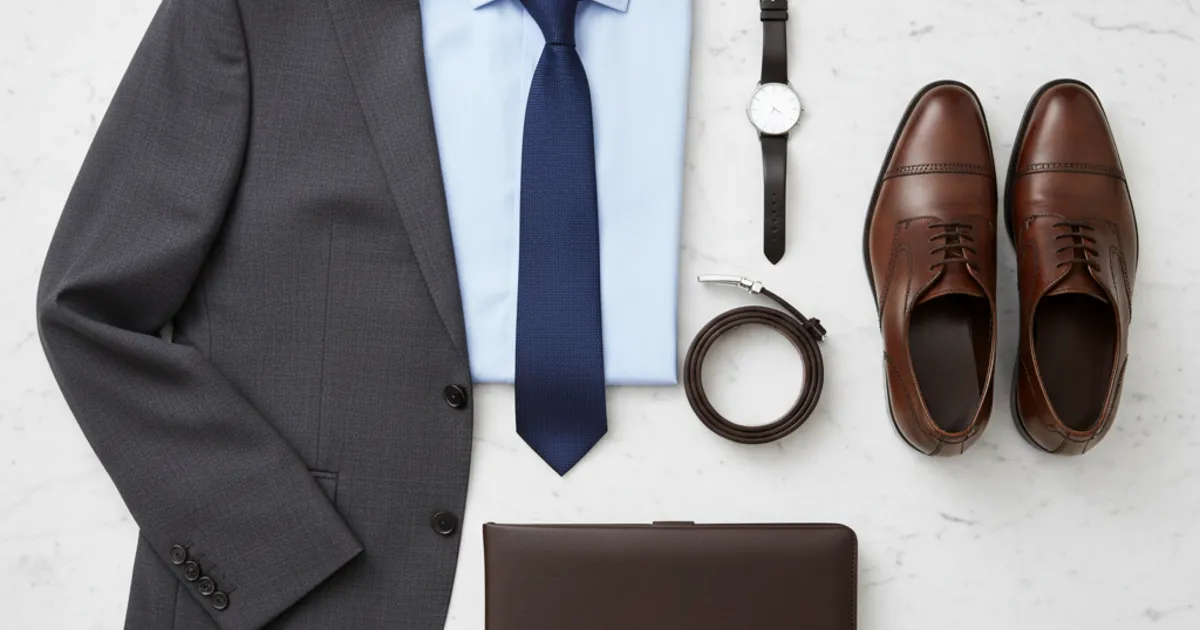
Men's Formula:
- Navy, charcoal, or dark gray suit (wool blend, tailored fit)
- Crisp white or light blue dress shirt
- Conservative silk tie (solid color or subtle pattern)
- Black or brown leather dress shoes (oxfords or brogues)
- Minimal accessories (watch, wedding ring only)
Women's Formula:
- Tailored pantsuit or skirt suit (knee-length skirt minimum)
- Blouse in white, cream, or light blue
- Closed-toe pumps (2-3 inch heel maximum)
- Minimal jewelry (stud earrings, professional watch)
- Conservative colors (navy, black, charcoal, burgundy)
Investment Piece: A high-quality wool suit that fits perfectly is worth the investment—it will serve you through multiple interviews and early career professional events.
Technology Sector
Industries: Software, Startups, Tech Giants, SaaS
The Reality: The tech industry values competence over conformity, but don't mistake casual culture for careless appearance.
Smart Casual Approach:
- Dark jeans or chinos (no holes, perfect fit)
- Button-down shirt or polo (solid colors work best)
- Optional blazer or sport coat (adds polish without stuffiness)
- Clean sneakers or loafers (leather or high-quality materials)
- Subtle accessories (quality watch, simple laptop bag)
Women's Tech-Friendly Options:
- Tailored jeans with elevated tops
- Midi dress with cardigan or blazer
- Blouse and pants combination
- Comfortable flats or low heels
- Modern accessories that show personality
Pro Tip: Many tech companies appreciate candidates who show understanding of their culture. A well-fitted blazer over dark jeans often hits the perfect note between professional and approachable.
Creative Industries
Industries: Advertising, Design, Media, Fashion, Arts
The Balance: Show your aesthetic sense and personality while maintaining interview-appropriate boundaries.
Creative Professional Formula:
- Express personality through texture and color (within professional bounds)
- Well-fitted basics with interesting details
- Quality accessories that showcase aesthetic sense
- Modern cuts and contemporary styling
- Comfortable shoes that look intentional
Examples:
- Structured blazer in an interesting color with tailored pants
- Unique blouse with classic trousers and statement accessories
- Quality denim (dark, tailored) with silk blouse and interesting jacket
- Modern dress with architectural details and sleek shoes
Avoid: Anything too avant-garde, excessive patterns, or clothing that could photograph poorly (you may need headshots).
Healthcare Sector
Industries: Hospitals, Clinics, Healthcare Administration, Pharmaceuticals
The Approach: Project competence and approachability while showing understanding of practical demands.
Healthcare Professional Standards:
- Business casual to business formal depending on role level
- Conservative colors (navy, gray, white, burgundy)
- Comfortable, practical shoes (you may tour facilities)
- Minimal jewelry (infection control awareness)
- Clean, pressed clothing (hygiene is paramount)
Role Considerations:
- Administrative positions: Business casual to business formal
- Clinical roles: Business casual (you might wear scrubs later, but interview professionally)
- Executive positions: Full business formal
Education Sector
Industries: Schools, Universities, Educational Non-profits
The Standard: Professional yet approachable, balancing authority with accessibility.
Educator-Appropriate Attire:
- Business casual is typically appropriate for most educational settings
- Modest, professional clothing that allows for movement
- Comfortable shoes for potential campus tours
- Appropriate coverage (higher necklines, longer sleeves often preferred)
- Washable fabrics (practical consideration for daily wear)
Hospitality & Retail
Industries: Hotels, Restaurants, Retail Stores, Customer Service
The Focus: Align with brand aesthetic while maintaining interview formality.
Service Industry Standards:
- Research the specific brand and dress accordingly
- Polished business casual typically works well
- Comfortable, practical shoes (no one wants to see you struggle)
- Grooming excellence (especially important in customer-facing roles)
- Brand-appropriate colors (if applying to a specific retailer)
Virtual Interview Attire Strategy
With remote interviews now standard, 75% of companies using video interviews, your virtual appearance requires specific consideration.
The "Waist-Up Professional" Approach
- Dress fully professional even if only your top half shows (it affects your mindset)
- Solid colors work best on camera (avoid busy patterns)
- Slightly more contrast than in-person (cameras wash out subtle differences)
- Test your outfit on camera before the interview
2025 Virtual Interview Essentials
- Burgundy red blouses are trending for 2025 virtual interviews—the rich color photographs well and projects confidence
- Avoid pure white (can cause glare on camera)
- Choose jewelry carefully (avoid anything that makes noise when you move)
- Professional background that doesn't compete with your outfit
Building Your Interview Wardrobe: Investment Strategies
Core Pieces That Work Across Industries
For Everyone:
- Navy blazer (the ultimate versatile piece)
- White button-down shirt (classic foundation)
- Dark, tailored pants (navy or charcoal)
- Quality leather shoes (black or brown)
- Professional watch (classic style)
Additional Women's Essentials:
6. Sheath dress in navy or black
7. Silk blouse in neutral color
8. Closed-toe pumps (2-inch heel)
9. Structured handbag (portfolio style)
Additional Men's Essentials:
6. Conservative tie collection
7. Leather belt (matching shoes)
8. Dress socks (solid colors)
9. Professional portfolio
Budget-Friendly Building Strategies
- Start with basics and build over time
- Invest in fit over brands (tailoring makes affordable clothes look expensive)
- Choose versatile pieces that mix and match
- Consider rental services for special interview needs
- Shop end-of-season sales for classic pieces
Common Interview Outfit Mistakes to Avoid
The "Too Much" Mistakes
- Over-accessorizing: Limit to watch, wedding ring, and simple earrings
- Overwhelming patterns: Stick to solids or subtle textures
- Excessive cologne/perfume: Light application only
- Too many colors: Maximum of 3 colors in your entire outfit
- Overly trendy pieces: Choose timeless over fashionable
The "Too Little" Mistakes
- Under-grooming: Ensure hair, nails, and teeth are perfect
- Poor fit: Clothes too loose or too tight look unprofessional
- Ignoring details: Scuffed shoes, wrinkled clothes, missing buttons
- Inappropriate footwear: Open-toed, athletic shoes, or worn heels
- Casual accessories: Backpacks, casual watches, informal bags
The "Wrong Context" Mistakes
- Ignoring company culture: Research the workplace before choosing
- Overdressing significantly: Standing out for wrong reasons
- Underdressing for importance: Some interviews require formal respect
- Seasonal inappropriateness: Wool suits in summer, sandals in winter
Color Psychology for Interview Success
Colors impact how interviewers perceive candidates, and understanding color psychology can give you a subtle advantage.
Power Colors
- Navy Blue: Trust, reliability, professionalism (universal winner)
- Charcoal Gray: Sophistication, authority, modern
- Black: Authority, formality, elegance (use sparingly, can be intimidating)
- Burgundy: Confidence, refinement, approachable authority
Approachable Colors
- Light Blue: Calm, trustworthy, peaceful
- Soft Gray: Balanced, diplomatic, professional
- Cream/Ivory: Clean, sophisticated, approachable
- Taupe: Reliable, grounded, professional
Colors to Use Carefully
- Red: Powerful but can be overwhelming (use as accent only)
- Purple: Creative but can seem unprofessional in conservative industries
- Bright Colors: Can be distracting from your qualifications
- All Black: Can appear too somber or intimidating
Special Considerations for 2025
Sustainable Fashion Awareness
Many companies now value sustainability. Consider:
- Quality pieces that last multiple interview cycles
- Timeless styles over fast fashion trends
- Rental options for expensive one-time pieces
- Ethical brands if budget allows
Gender-Neutral Options
Modern workplaces increasingly embrace inclusive dress codes:
- Well-fitted blazers work for everyone
- Tailored pants in classic cuts
- Button-down shirts in quality fabrics
- Professional shoes in comfortable styles
- Minimal accessories that suit your personal style
Cultural Sensitivity
In diverse workplaces, consider:
- Modest coverage when unsure of cultural norms
- Religious accommodation while maintaining professionalism
- Regional preferences (West Coast vs. East Coast, international companies)
Pre-Interview Clothing Checklist
48 Hours Before
- Outfit selected and tried on completely
- All pieces cleaned or dry cleaned
- Shoes polished and comfortable
- Backup options identified
- Accessories chosen and tested
Night Before
- Entire outfit laid out and ready
- Weather checked and outfit adjusted if needed
- Emergency kit prepared (stain remover, breath mints, comb)
- Comfort level confirmed (walk around, sit, stand)
Morning Of
- Final appearance check in natural light
- Fit still comfortable after eating breakfast
- All details perfect (no lint, proper hemlines, buttons secure)
- Confidence boosted by looking your best
Industry Evolution: Adapting to Change
Post-Pandemic Workplace Changes
The workplace has evolved significantly since 2020:
- Hybrid work has made business casual more common
- Video interviews have changed appearance priorities
- Casual Fridays have become casual weeks in many offices
- Employee preferences increasingly influence company dress codes
2025 Trends Affecting Interview Attire
- Comfort-first professional wear (stretchy fabrics, breathable materials)
- Sustainable fashion considerations
- Technology integration (smart watches now acceptable in most industries)
- Individual expression within professional boundaries
Mastering Your Interview Appearance
Your interview outfit is an investment in your professional future. Research consistently shows that appropriate attire increases confidence, improves performance, and positively influences hiring decisions.
The Strategic Approach
- Research thoroughly - Understand the company culture and industry norms
- Plan strategically - Choose pieces that align with the role and your personal brand
- Invest wisely - Build a versatile wardrobe with quality basics
- Practice confidence - Comfort in your clothes translates to interview confidence
Beyond the Basics
Remember that interview attire is about more than following rules—it's about strategic communication. Your outfit should:
- Support your professional narrative
- Demonstrate cultural awareness
- Project confidence and competence
- Allow your qualifications to shine
The goal isn't to have the most expensive outfit in the room, but to present yourself as the most prepared, professional, and appropriate candidate for the specific opportunity.
Preparing for Success
Your interview outfit is just one component of comprehensive interview preparation. While the right clothes won't guarantee you the job, the wrong clothes can certainly hurt your chances.
Practice your complete interview presentation with our AI-powered platform that evaluates not just your answers, but your overall professional presence. Our comprehensive feedback includes appearance suggestions, body language coaching, and confidence-building techniques that help you present your absolute best self.
After analyzing thousands of successful interviews, we've found that candidates who feel confident in their appearance perform 25% better in mock interview scenarios. The right outfit is just the beginning—it's the foundation that supports everything else you bring to the interview.
Ready to perfect your complete interview presentation? Try MockInterviewAI free and get comprehensive feedback on your professional appearance, communication style, and interview performance. Join thousands of candidates who've used our platform to land their dream jobs with confidence.